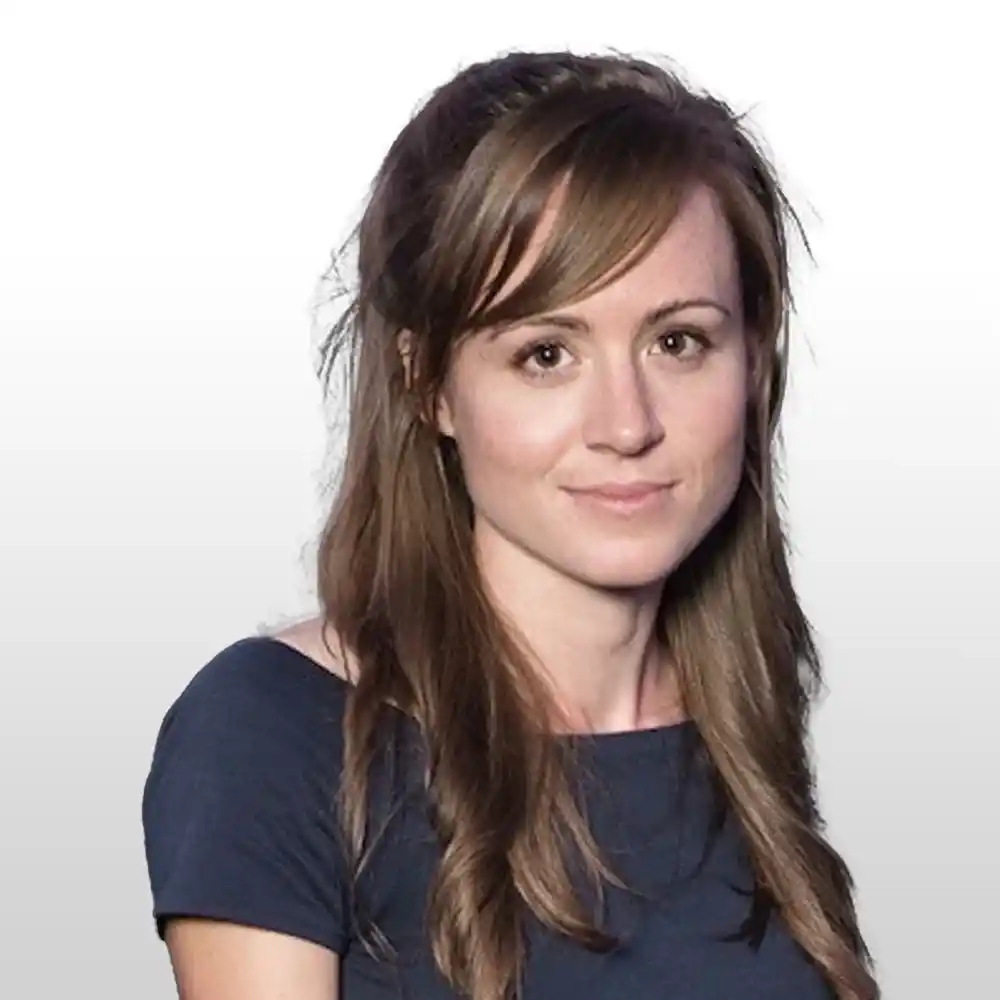
Dr. Beth Healey is an Emergency Medicine doctor with extensive experience in the NHS and various international settings. Fluent in French, she has provided pre-hospital medical care in the Swiss Alps and worked in extreme and remote environments such as Svalbard, Siberia, Greenland, and the North Pole.
As the Research MD for the European Space Agency (ESA), Dr. Healey spent a winter in Antarctica at the spaceflight analogue ‘Concordia,’ also known as ‘White Mars.’ During this time, she researched the effects of isolation and extreme environments on the crew’s physiology and psychology. With temperatures dropping to -80°C and 105 days without sunlight, the crew was completely isolated even in emergencies. This research aids space agencies in understanding the challenges of long-duration spaceflight missions and developing necessary medical models.
Dr. Healey also took part in an overland traverse, driving a Caterpillar tractor 1,200 km across the Antarctic plateau. Since returning from Antarctica, she has contributed to a UN specialist interest group on Space and Global Health, exploring how space-derived technology can address medical problems on Earth, including life support systems, telemedicine, and remote diagnostics.
Dr. Beth Healey’s remarkable career continues to impact both the field of medicine and the broader challenges of space exploration.
Dr. Beth Healey is an Emergency Medicine doctor with extensive experience in the NHS and various international settings. Fluent in French, she has provided pre-hospital medical care in the Swiss Alps and worked in extreme and remote environments such as Svalbard, Siberia, Greenland, and the North Pole.
As the Research MD for the European Space Agency (ESA), Dr. Healey spent a winter in Antarctica at the spaceflight analogue ‘Concordia,’ also known as ‘White Mars.’ During this time, she researched the effects of isolation and extreme environments on the crew’s physiology and psychology. With temperatures dropping to -80°C and 105 days without sunlight, the crew was completely isolated even in emergencies. This research aids space agencies in understanding the challenges of long-duration spaceflight missions and developing necessary medical models.
Dr. Healey also took part in an overland traverse, driving a Caterpillar tractor 1,200 km across the Antarctic plateau. Since returning from Antarctica, she has contributed to a UN specialist interest group on Space and Global Health, exploring how space-derived technology can address medical problems on Earth, including life support systems, telemedicine, and remote diagnostics.
Dr. Beth Healey’s remarkable career continues to impact both the field of medicine and the broader challenges of space exploration.